Biochemist • Spatial Biology Scientist • Educator
Dr. Rhyisa Armbrister, Ph.D.
Translating complex biology into actionable scientific insight.
Biochemist and spatial biology scientist working across molecular research, translational science, advanced spatial technologies, and scientific education.
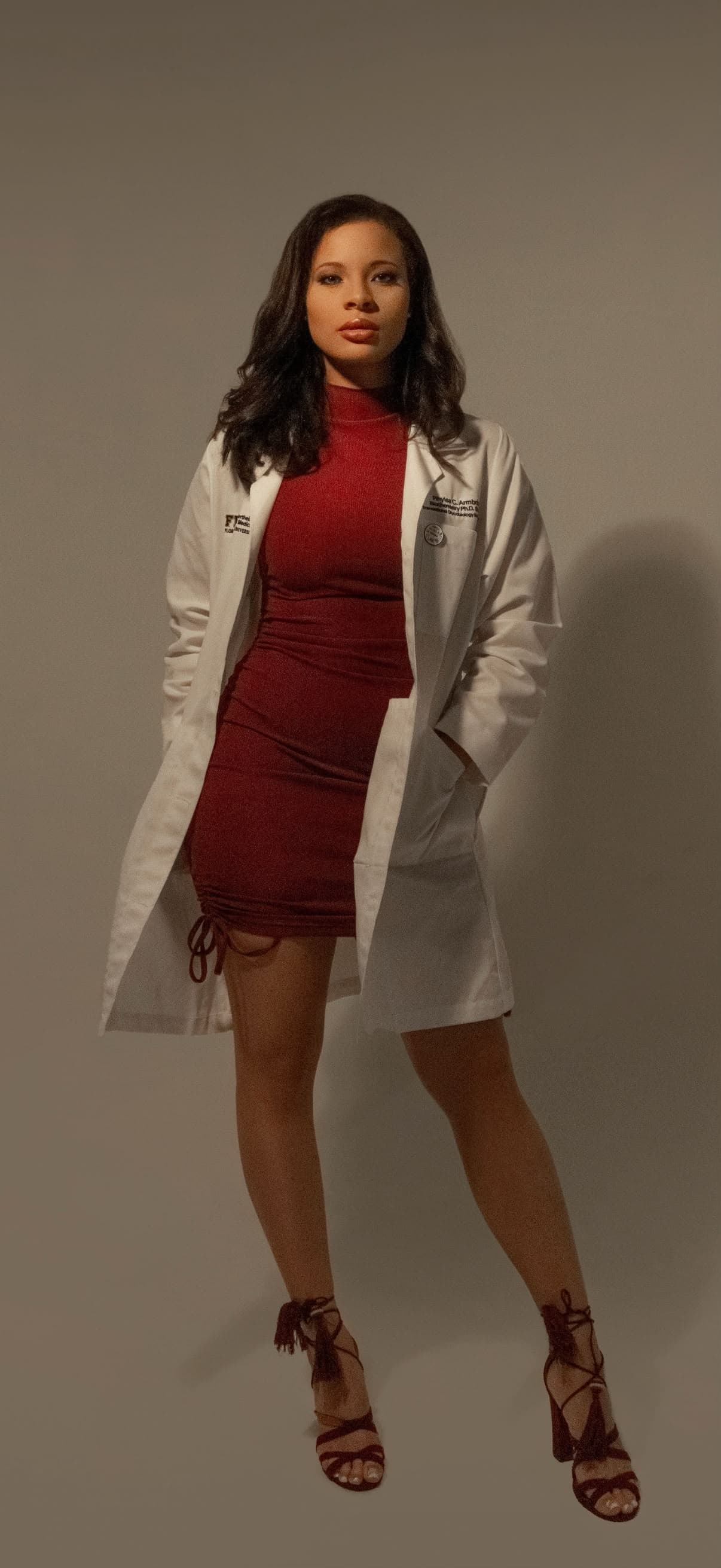
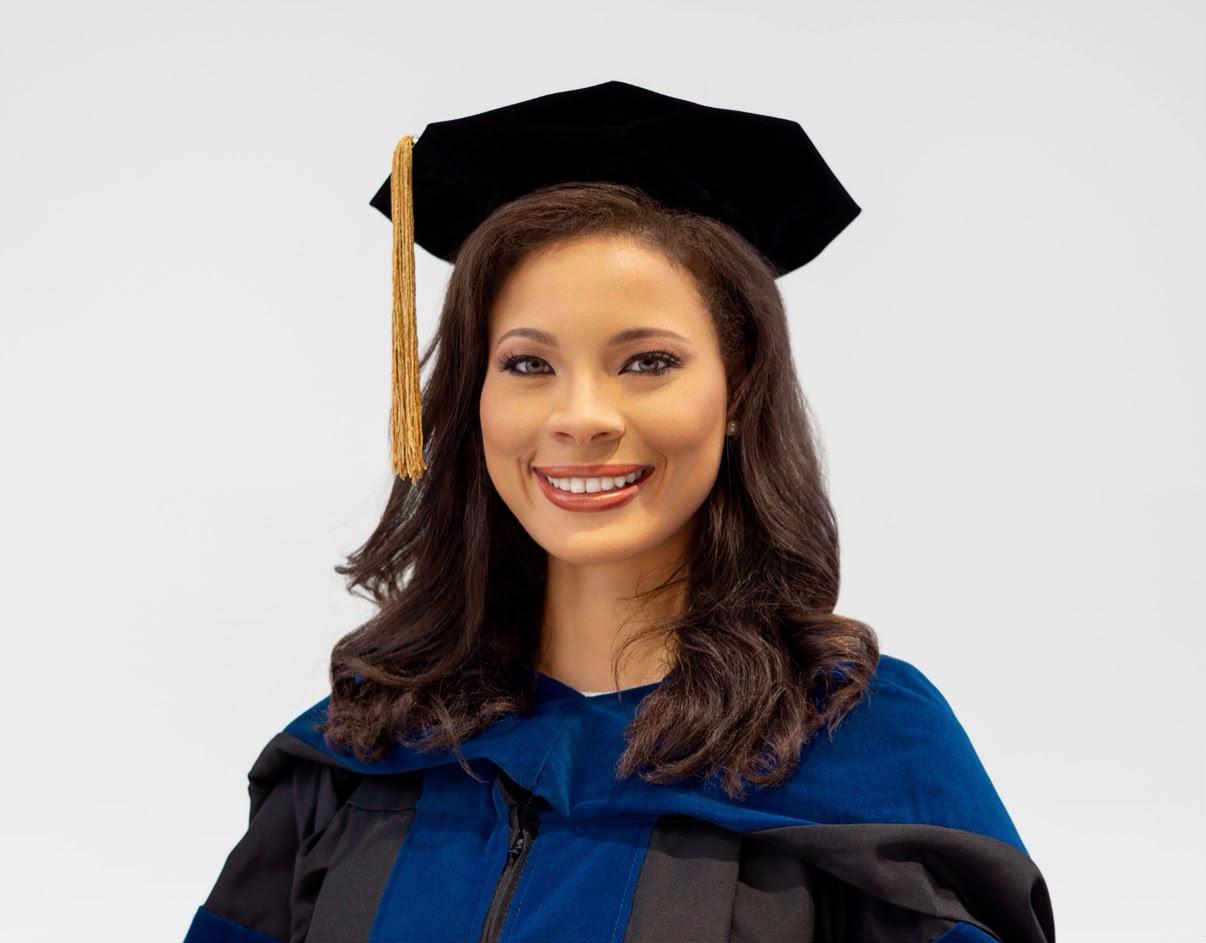
About Dr. Rhyisa Armbrister, Ph.D.
Dr. Rhyisa Armbrister is a biochemist, spatial biology scientist, and educator with a multidisciplinary career spanning academic research, translational science, biotechnology, and higher education.
Her scientific training began with a focus on glycosylation-dependent cancer signaling, where she investigated the role of Notch1 and protein glycosylation in ovarian cancer while exploring novel approaches to targeted protein degradation.
Her research later expanded into the tumor microenvironment, studying Notch1 signaling in melanoma, followed by work in neurodegenerative disease and DNA repair, with a focus on therapeutic strategies for Friedreich’s ataxia.
Today, as a Field Application Scientist in spatial biology, Dr. Armbrister works at the intersection of biology, technology, and data—supporting researchers using advanced spatial transcriptomic and proteomic technologies to investigate complex biological systems.
Alongside her biotechnology career, she teaches chemistry and brings her research and industry experience into the classroom.
Career & Research Journey
Molecular mechanisms → Cancer biology → Spatial biology
Ph.D. Researcher
My doctoral research focused on understanding the role of glycosylation in Notch1 signaling in ovarian cancer. This work explored how alterations in protein glycosylation can influence cancer-associated signaling pathways and cellular behavior. My research also incorporated glycoprotein-targeting and targeted protein degradation strategies, including PROTAC-based approaches.
Postdoctoral Research
Following my doctoral training, my research expanded from ovarian cancer into the melanoma tumor microenvironment. At the University of Miami, I investigated the role of Notch1 signaling in melanoma, with an emphasis on understanding how signaling interactions within the tumor microenvironment influence cancer biology. This work broadened my research from molecular mechanisms within cancer cells to the complex interactions occurring between cells within the tumor ecosystem.
Postdoctoral Research Fellow
My research then transitioned into neurodegenerative disease, where I investigated DNA repair-based therapeutic strategies for Friedreich’s ataxia. This work focused on understanding disease-associated DNA repair mechanisms and exploring how those pathways could potentially be leveraged therapeutically.
Field Application Scientist
I currently work as a Field Application Scientist supporting researchers using advanced spatial biology technologies to investigate complex biological systems while preserving the spatial context of cells and tissues. I support researchers with experimental design, spatial assay strategy, workflow optimization, sample and tissue considerations, technical training, troubleshooting, data interpretation, scientific communication, and customer collaboration.
Scientific & Technical Expertise
Research Domains
Cancer Glycobiology & Notch Signaling
Understanding how glycosylation influences Notch signaling and cancer-associated cellular processes.
Targeted Protein Degradation
Exploring glycoprotein-targeting strategies and PROTAC-based therapeutic research.
Melanoma & Tumor Microenvironment
Investigating cellular signaling and complex interactions within melanoma tumor ecosystems.
DNA Repair & Neurodegeneration
Researching DNA damage/repair mechanisms and therapeutic strategies related to Friedreich’s ataxia.
Spatial Biology
Applying spatial transcriptomic and proteomic approaches for understanding cellular organization, molecular signaling, tissue architecture, disease biology, cellular interactions, and spatially resolved gene/protein expression.
Technical Capabilities
Spatial Biology & Molecular Profiling
Research & Experimental Science
Scientific & Technical Support
Scientific Education
Bridging concepts and real-world applications
Adjunct Chemistry Professor
Alongside my research and biotechnology career, I teach chemistry at Miami Dade College. Teaching provides an opportunity to translate complex scientific concepts into accessible, practical explanations while helping students build strong foundations in chemistry and scientific reasoning. My approach to education emphasizes understanding concepts rather than simply memorizing information and encourages students to connect chemistry to biological and real-world applications.
Courses
- CHM 1020 — General Education Chemistry
- CHM 1033 — Chemistry for Health Sciences
Peer-Reviewed Publications
DNA Base Damage Repair Crosstalks with Chromatin Structures to Contract Expanded GAA Repeats in Friedreich’s Ataxia
Yanhao Lai, Nicole Diaz, Rhyisa Armbrister, Irina Agoulnik, Yuan Liu
Investigated DNA repair-based therapeutic strategies for Friedreich’s ataxia, exploring the connection between DNA repair and chromatin structures.
The clinical role of glycobiology on ovarian cancer progression
Rhyisa Armbrister, Laura Ochoa, Karen L. Abbott
Discusses the role of glycans/glycoproteins in ovarian cancer progression and the potential diagnostic and therapeutic significance of cancer-associated glycan changes.
Academic Background
Doctor of Philosophy (Ph.D.)
Bachelor of Arts
Associate of Arts
Honors & Recognition
- ❖NIH NINDS Diversity / T32 Fellowship Support2024
- ❖NIH NINDS Diversity Supplement
- ❖NIH T32 Environmental Neuroscience Training Support
- ❖University Graduate School Fellowship / Support
- ❖FIU Dissertation Year Fellowship
- ❖Beta Beta Beta Biological Honor Society